Before the first real snow hits Hagerstown, the brine trucks are usually already out, striping I-81 and I-70 with salt water so ice can't bond to the pavement. Great for traction. Not so great for your paint.
If you've been wondering whether ceramic coating before winter is worth it, our answer is yes, and the best time to do it is now, before salt season settles in. Coating your car ahead of winter means the paint gets corrected and sealed while it's still clean, and the coating gets the indoor cure time it needs. Below, we'll walk through what winter does to your paint, how a coating helps, why timing matters, which package fits, what coating won't do, and how to care for it until spring.
What a Hagerstown Winter Does to Unprotected Paint
The interstates and numbered routes around Hagerstown are maintained by the Maryland Department of Transportation State Highway Administration (MDOT SHA), which handles all non-toll, numbered roads in the state's 23 counties. According to MDOT SHA's snow fact sheet, crews spray salt brine, a mix of 23.3% salt and 76.7% water, in the days before a storm so snow can't bond to the road. Once snow and ice form, they switch to rock salt. In the state's colder northern and western counties, magnesium chloride is often mixed into the brine or salt. SHA also pre-wets its rock salt with brine or liquid magnesium so it sticks to the pavement instead of bouncing off.
That stickiness is great for the roads. The problem is that it sticks to your car too. Here's what your paint deals with from late fall to early spring:
- A thin film of salt brine on your lower doors, rocker panels and wheels
- Rock salt and magnesium chloride kicked up by the cars ahead of you
- Sand and gravel that chip and scratch the finish
- Slush that sits on the paint long after you park
- Freeze-thaw cycles that let water creep into chips and make them worse
- Swirl marks from quick, rushed winter washes
None of this ruins paint overnight. It wears it down one commute at a time, and by spring, it shows.
How Ceramic Coating Helps Through Salt and Slush
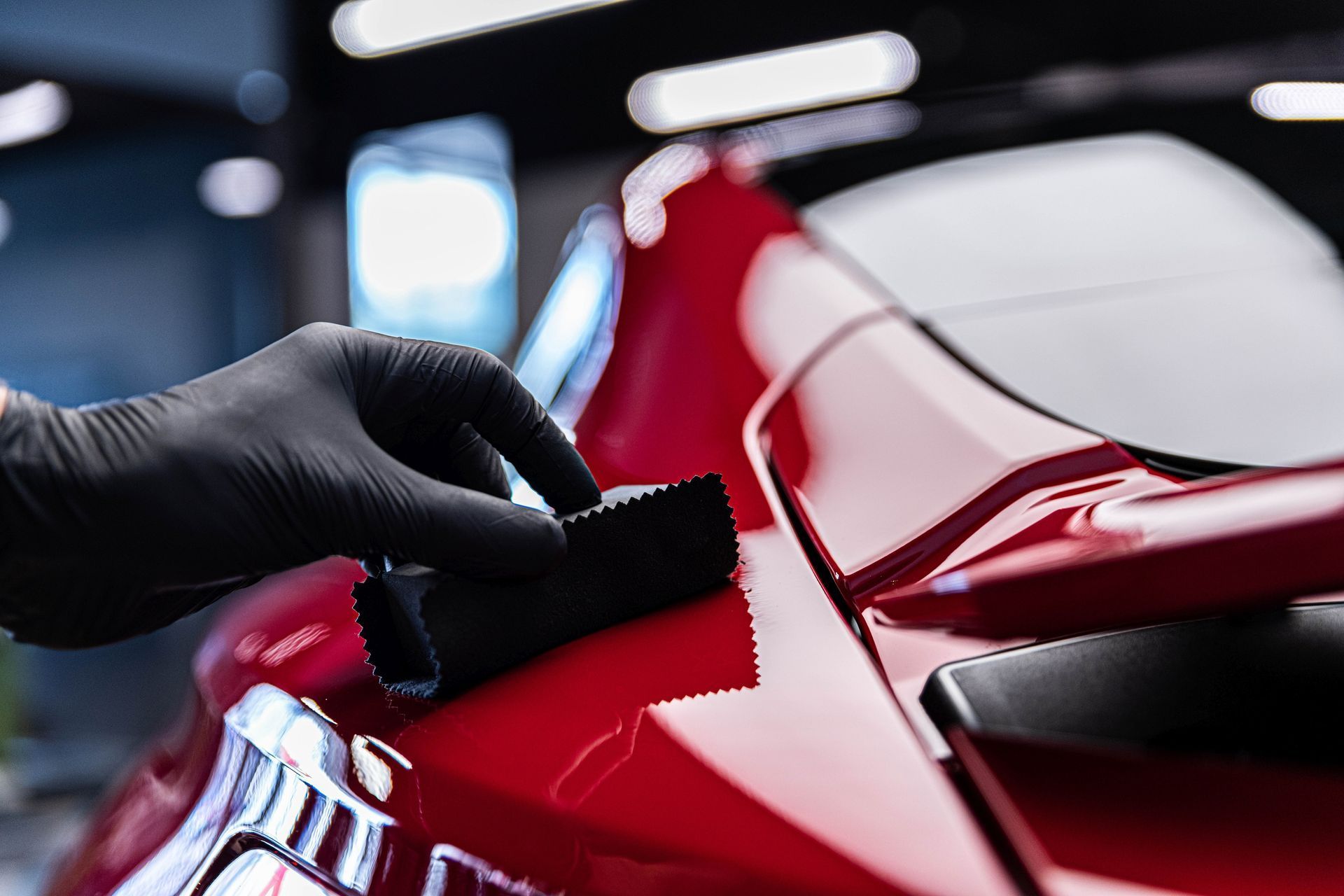
A ceramic coating is a liquid, silica-based (SiO2) layer that bonds to your clear coat and cures into a hard, glossy shell. It isn't a force field, but it changes how winter grime behaves on your paint.
A Slicker Surface for Salt and Grime to Grip
On bare clear coat, brine and road film settle in and cling. A coated surface is slick, so salt, slush and grime have a harder time sticking, and what does stick comes off more easily. You'll still see a salty haze after a drive on I-81. The difference is how quickly it rinses away.
Faster, Safer Cold-Weather Washes
The coating is hydrophobic, which means water beads up and rolls off, carrying dirt with it. In winter, that means less scrubbing to get the salt off. Less scrubbing means fewer swirl marks, which matters a lot when you're washing more often just to keep up with the roads.
A Barrier Against Etching and Fading
Winter isn't the only threat. Bird droppings, bug splatter and tree sap are acidic and can etch clear coat, and UV rays cause fading and oxidation. A ceramic coating acts as a barrier against those contaminants and blocks UV, so the protection you add before winter keeps working through spring and summer too.
Why Timing Matters and Why Fall Is the Window
You can get a ceramic coating any time of year. But there are three good reasons to do it before winter instead of after.
Coatings Need the Right Conditions to Bond
Ceramic coatings are sensitive to their surroundings, both while they go on and while they cure. Cold makes a coating thicker and harder to level evenly, and moisture in the air can lead to haze or streaking. That's why a coating shouldn't be rushed in a chilly driveway, and why we give coated vehicles time to cure indoors before they head back out on the road. Booking now, ahead of the first big storm, keeps the whole process simple.
Clean Paint Gets Sealed, Not Salted
A ceramic coating locks in whatever is underneath it. If your paint has swirls, light scratches or embedded contamination, the coating seals those in too.
That's why our Pro, Master and TNT packages all include Level 1 paint correction before the coating goes on. Coating before winter means we're correcting and sealing your paint before it picks up a season of salt, sand and rushed washes. Wait until spring, and there's more to fix first.
Wax Won't Make It to Spring
Plenty of drivers wax in the fall and call it winter prep. The trouble is that wax lasts only a few months in the Hagerstown climate, and winter here doesn't always wrap up on schedule. Based on NOAA's 1991 to 2020 averages, March still brings Hagerstown about 5 inches of snow. A professional ceramic coating lasts 2 to 5 years or longer with proper care, which covers this winter and several more. Our post on how long ceramic coating lasts in Hagerstown goes deeper into what affects that lifespan.
Which TNT Ceramic Coating Package Fits a Hagerstown Winter
We offer four ceramic coating packages, and each one handles winter a little differently.
- Entry Ceramic Coating is our quickest option, often done same-day depending on the weather. It includes one ceramic application to the paint plus our Platinum Exterior Detail, and glass coating is available as an add-on. It's a big step up from wax if you want protection before the snow without a longer shop visit.
- Pro Ceramic Coating adds Level 1 paint correction and coats the wheel faces, glass, exterior plastics and lights. It comes with a 3-year warranty and two weeks of maintenance detailing.
- Master Ceramic Coating includes two ceramic applications, door jambs where accessible, an interior vacuum and an engine bay detail, backed by a 5-year warranty.
- TNT Ceramic Coating is our most complete package. It adds full wheels and barrels, interior coating for vinyl, leather and fabric, and ceramic-safe soap and detailer spray to take home, also with a 5-year warranty.
If you commute on I-70 or I-81 every day, Pro or Master is a strong fit because paint correction and multi-year protection come built in. If your floor mats take a beating from slush, salt and muddy boots all winter, look at the TNT package or our Interior Coating add-on. Ask our team for warranty details on any package, and compare everything side by side on our
ceramic coating packages page.
What Ceramic Coating Won't Do
We'd rather you know the limits up front.
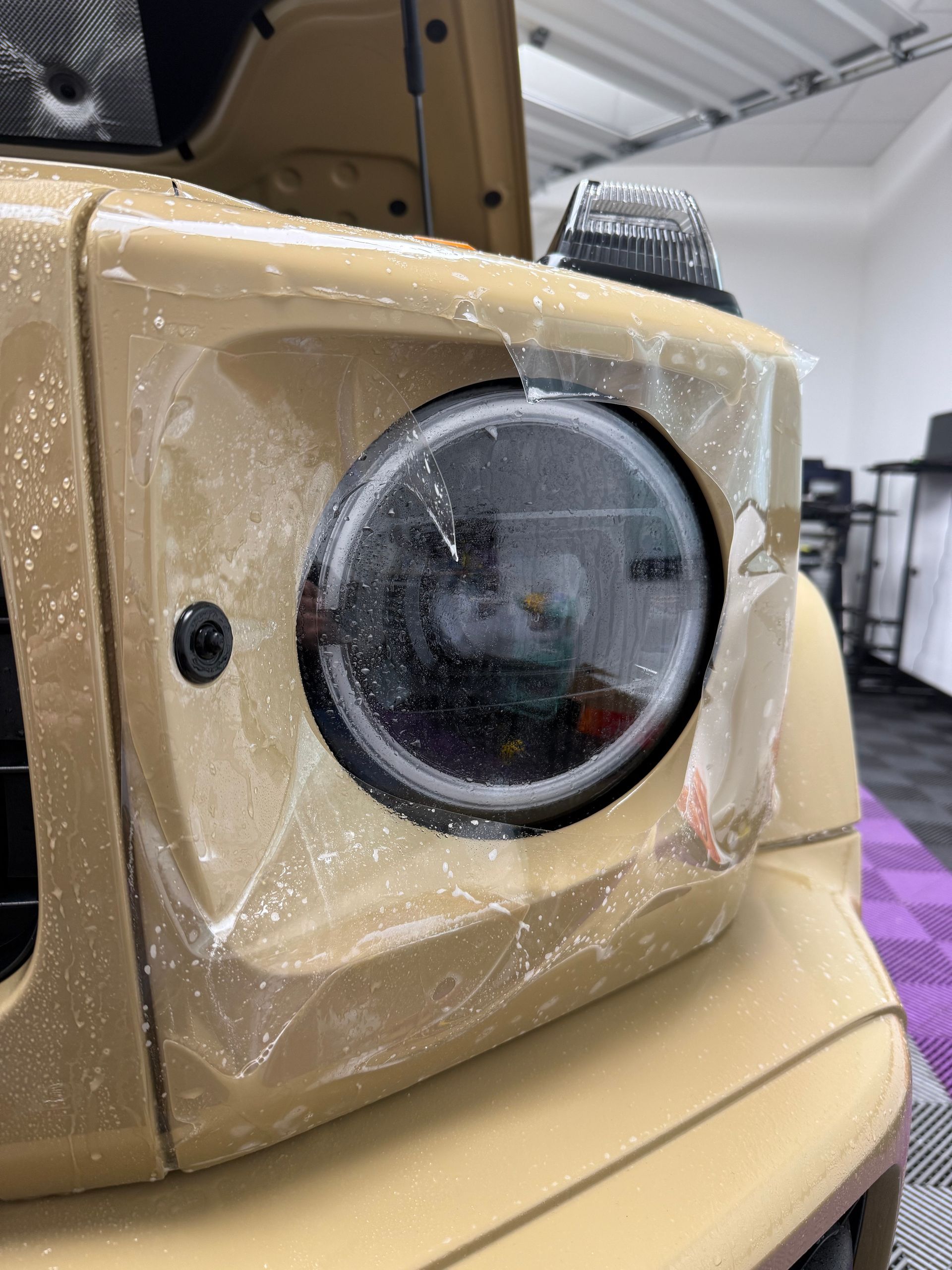
- It won't stop rock chips. A coating isn't thick or flexible enough to absorb gravel hits. For that, paint protection film is the answer, and we highly recommend adding ceramic coating over PPF for the best of both.
- It won't replace washing. Salt still lands on a coated car. It just comes off more easily.
- It won't hide existing damage. Swirls and scratches need to be corrected before the coating goes on, or they get sealed in.
If chips on your hood and bumper are your biggest winter worry, our post on why to choose paint protection film in Hagerstown is worth a read.
Caring for a Coated Car Through a Maryland Winter
A coating makes winter maintenance easier, not optional. Here's how to keep it working until spring:
- Hand wash with the two-bucket method and a pH-neutral car shampoo.
- Skip automatic washes with brushes, which can put swirls right back into the finish. Touchless washes can also wear down a coating's water-beading properties over time, so hand washing is the safest choice.
- Rinse salt off the lower panels, rockers and wheels regularly, especially after a storm.
- Top it up with a silica spray sealant now and then to refresh the beading.
Our Pro, Master and TNT packages also include two weeks of maintenance detailing after your coating goes on, and the TNT package sends you home with ceramic-safe soap and detailer spray.
Get Your Paint Coated Before the Salt Trucks Roll
Winter around Hagerstown means months of brine, salt and slush, and your paint takes the brunt of it. Coating now gets your paint corrected and sealed under a slick, protective layer before the worst of it arrives. As a family-owned shop with certified installers and a Best of the Tristate Award in 2024 and 2025, we'd love to get your car ready for the season.
Get a free quote or call us at (301) 991-0650. You can find us at 19935 National Pike, STE 200, Monday through Friday from 9:00 a.m. to 5:00 p.m. and Saturday from 9:00 a.m. to 1:00 p.m.
Frequently Asked Questions About Ceramic Coating Before Winter
Is it too late to get a ceramic coating once it gets cold?
No. What matters is where the coating is applied and cured, not the forecast. We give coated vehicles time to cure indoors, so cold weather outside doesn't mean you've missed your chance. Booking before the first big storm just keeps things easy.
Does ceramic coating protect against road salt and brine?
It helps a lot. The slick, hydrophobic surface makes it harder for salt, brine and road film to stick, and much easier to rinse them off. It doesn't make paint immune to salt, so regular washing still matters.
Is ceramic coating better than wax for a Hagerstown winter?
Yes. Wax lasts only a few months in our climate, so it often fades before winter is over. A professional ceramic coating lasts 2 to 5 years or longer with proper care.
Will ceramic coating stop rock chips from winter gravel?
No. Coatings aren't thick or flexible enough to absorb impacts. Paint protection film handles rock chips, and we recommend adding ceramic coating over PPF for the most complete protection.
Can I take my coated car through an automatic car wash in winter?
We don't recommend it. Brush washes can cause swirl marks, and touchless washes can wear down the coating's hydrophobic properties over time. Hand washing is the safest way to keep your coating performing.
How long will my car be at the shop?
It depends on the package and your paint's condition. Our Entry package can be same-day, weather permitting. Pro and Master have a 24-hour turnaround, and the TNT package takes about 48 hours. Premium packages typically need 1 to 3 days.
Do I need paint correction before ceramic coating?
In most cases, yes, because the coating locks in whatever is underneath. Our Pro, Master and TNT packages include Level 1 paint correction, so your paint is cleaned up before it's sealed.
Should I coat a new car before its first winter?
It's one of the best times to do it, since the paint hasn't been through a season of salt yet. Our post on how long it takes to ceramic coat a new car covers what to expect.