Most professionally installed paint protection film lasts about 5 to 10 years. Premium films with a self-healing top coat sit at the higher end, while budget films can yellow or peel in 3 to 5 years. Installation quality, climate, and care decide where your film lands.
That range is wide for a reason. The grade of film, how well it was installed, the roads you drive, and how you wash your car all push the number up or down. At TNT Tinting & Autostyling, we install PPF for drivers all over Hagerstown and the Tri-State area. Here's how long it lasts, what wears it out, and how to get the most years from yours.
The Short Answer: How Long PPF Lasts
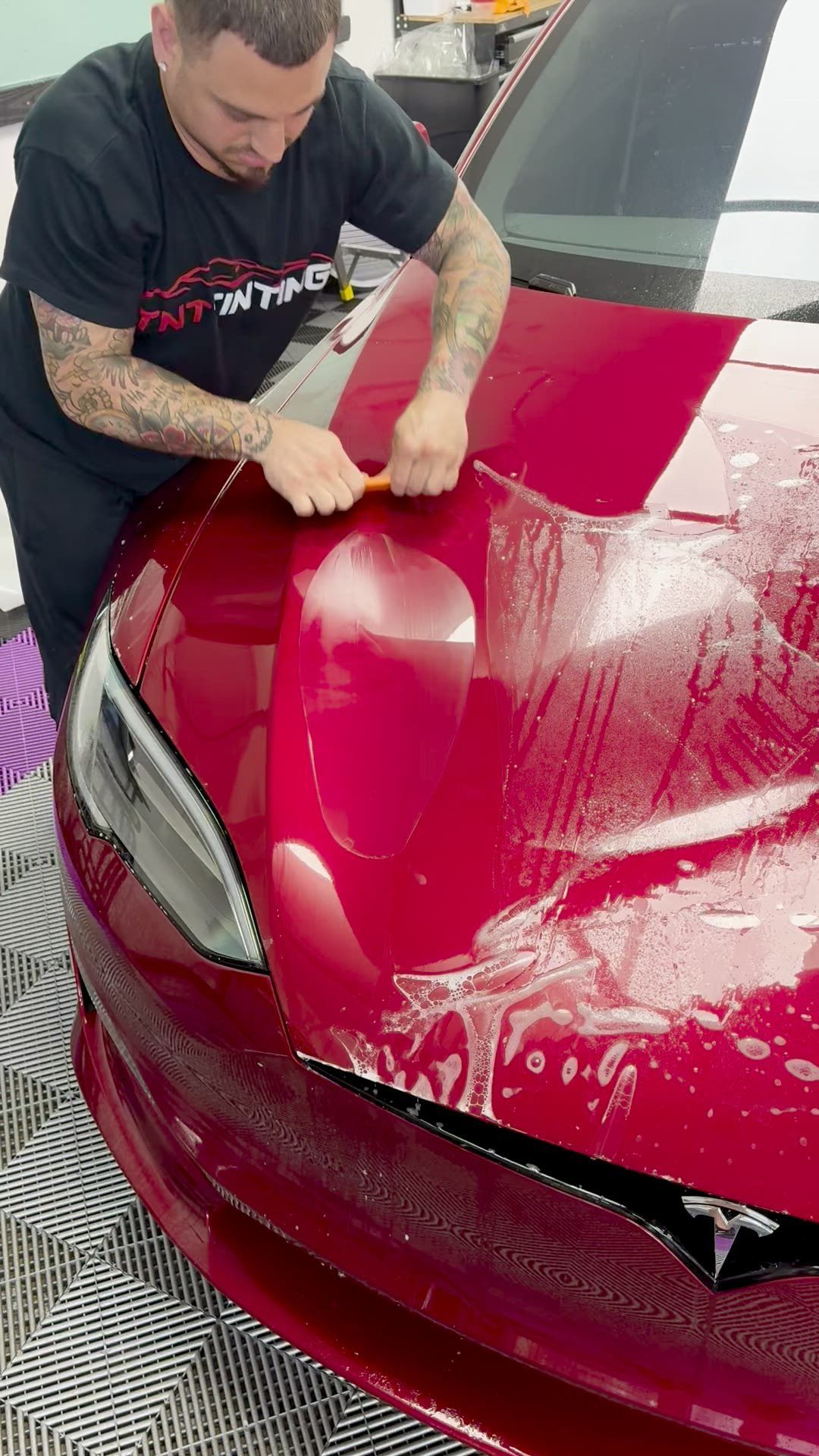
Professionally installed paint protection film usually lasts about 5 to 10 years. Where a film lands in that range depends mostly on its grade:
- Entry-level film: about 3 to 5 years before yellowing, hardening, or peeling sets in
- Quality mid-grade film: about 5 to 7 years
- Premium self-healing film: about 7 to 10 years, sometimes longer
When we say "lasts," we mean the film still looks clear and glossy and still protects the paint. Film that is still stuck to the car but has turned yellow, cloudy, or cracked has already reached the end of its useful life.
Warranty vs Real Lifespan: Not the Same Thing
A PPF warranty tells you how long the manufacturer will cover defects. It does not promise how long the film will look perfect on your car. Mixing up those two numbers is one of the most common PPF mistakes.
A film warranty usually covers manufacturing problems such as yellowing, cracking, bubbling, or the film separating from the paint. It generally does not cover:
- Normal wear from years of sun, weather, and washing
- Damage from rocks, road debris, or accidents
- Problems caused by neglect or harsh cleaning
Workmanship is a separate promise from the film warranty. When you get a quote from any shop, ask two questions: what does the film warranty cover, and what does the installer cover? Our Partial Front, Full Front, and Track Pack packages include a 10-year warranty, and we're happy to walk you through exactly what it covers before you book.
What Affects How Long Paint Protection Film Lasts
Five things decide how long PPF lasts: the film itself, the install, the paint underneath, the conditions you drive in, and how you care for it.
Film Quality
Better film lasts longer. Thickness, the quality of the self-healing top coat, and the grade of adhesive all play a part. The film we install is a clear urethane about 8 mil thick, with a self-healing top coat and UV inhibitors that help it resist yellowing. Cheaper films often skip or skimp on these, which is why they tend to yellow and harden sooner.
Installation Quality
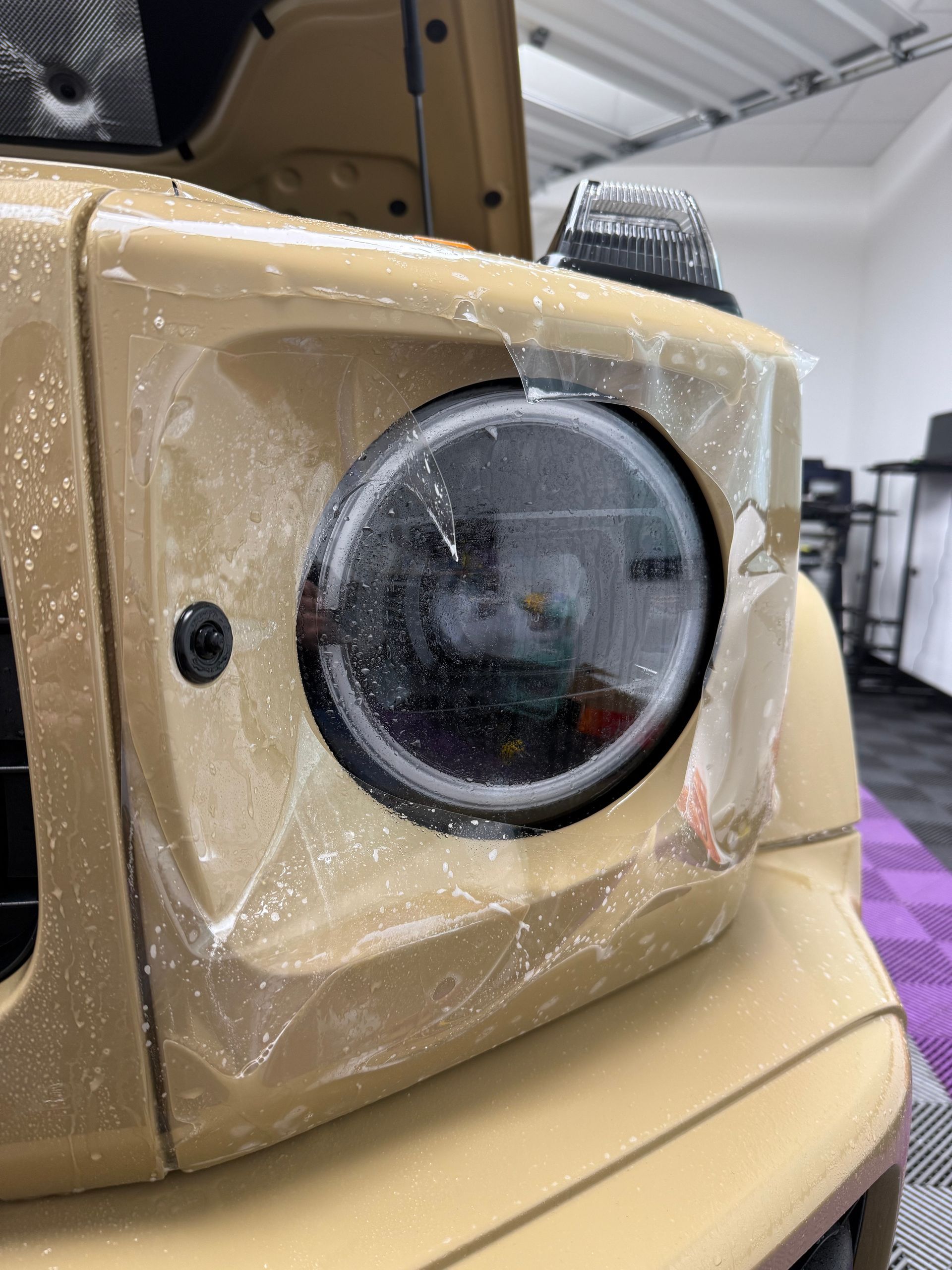
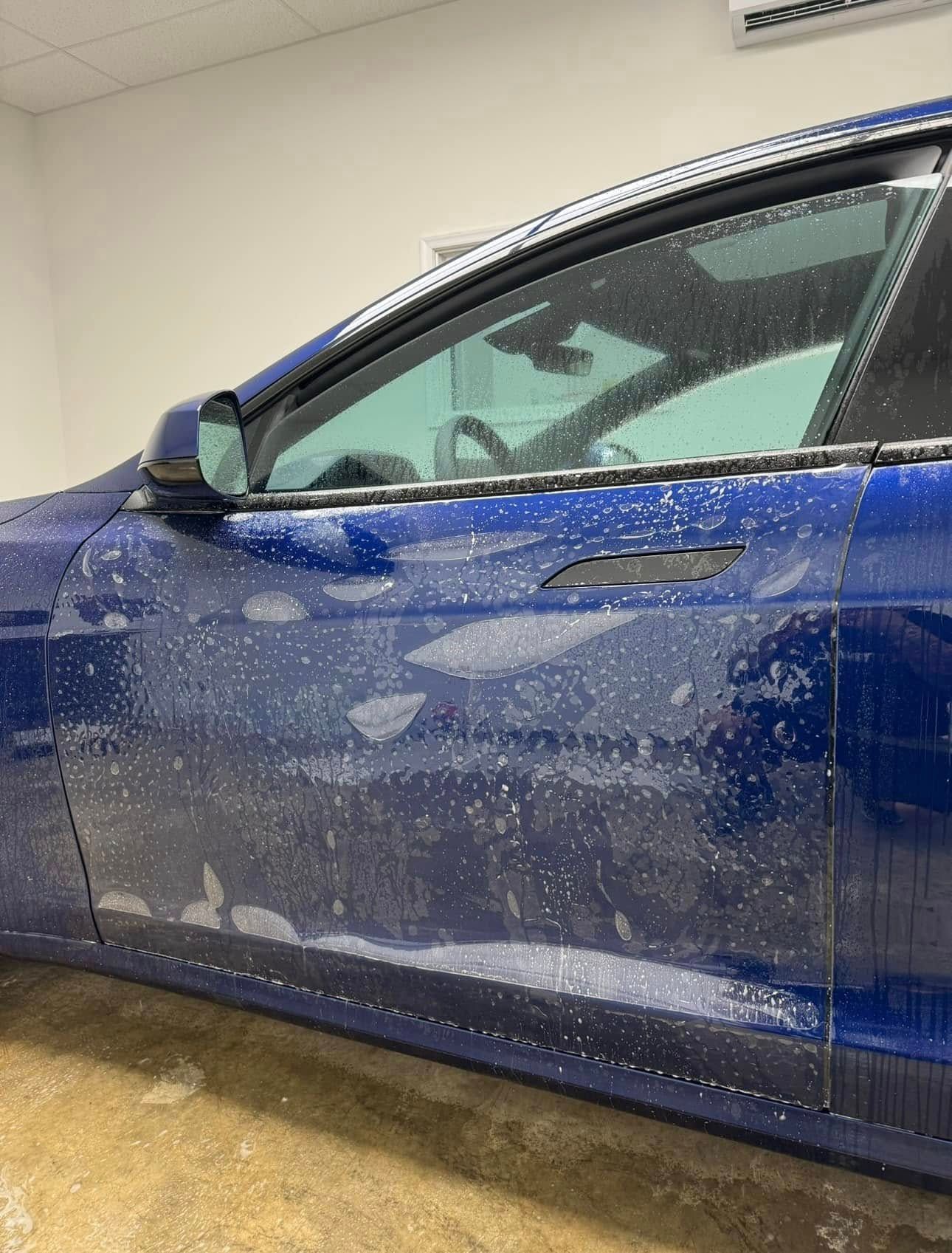
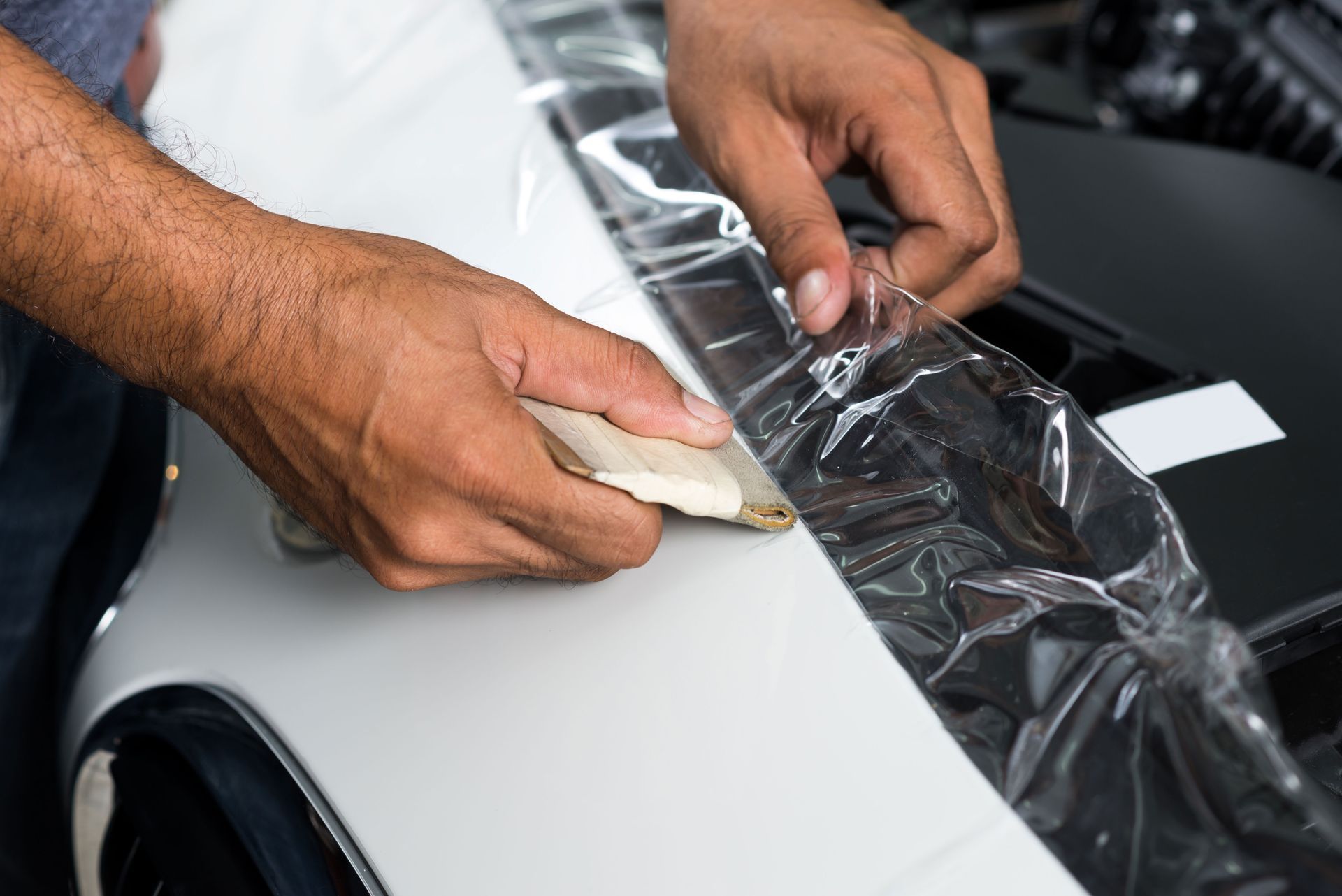
Even great film fails early if it is installed poorly. Good installs start with careful surface prep, a clean bay, and edges that are wrapped and sealed so dirt and water can't creep underneath. Because PPF locks in the paint's current condition, we recommend paint correction first so swirls and scratches aren't sealed under the film.
Paint Condition Before Install
Rock chips, peeling clear coat, or failing paint underneath give the adhesive a weak base, and the film can lift sooner in those spots. Fixing paint problems before the install helps the film last.
Hagerstown Weather and Roads
Local conditions matter more than most guides admit. Maryland winters bring road salt, brine, and repeated freeze and thaw cycles, which are hard on film edges. Summers bring strong UV and heat, which speed up aging. Daily miles on I-70 and I-81 mean truck traffic and a steady stream of gravel and debris.
Paint protection film in Hagerstown takes more abuse than film on a car that lives in a garage in a mild climate, so care and inspections matter even more here.
How You Wash and Park
Brush car washes, abrasive pads, and a pressure washer aimed at the edges all shorten film life. A car that sleeps in a garage sees far less UV and weather than one parked outside every night.
Signs Your PPF Needs Replacing
Your PPF may be near the end of its life if you notice any of these:
- Yellowing or discoloration
- Edges that are lifting or peeling
- Bubbles that stay after the curing period
- Cracking or a crazed surface
- A cloudy or hazy look
- Light swirls that no longer heal with heat
- Stains that won't wash out
If you see any of these, don't try to push bubbles out or trim lifting edges yourself, since that can damage the film or the paint. Bring the car in for an inspection, and we'll tell you honestly whether the film needs replacing.
How to Make Your Paint Protection Film Last Longer
Good care is the easiest way to push your film toward the top of its lifespan:
- Follow your aftercare instructions. Use the instructions we give you at pickup. For most installs, that means waiting at least a week before the first wash.
- Wash gently. Hand wash or use a touchless wash with a pH-neutral soap and soft microfiber towels.
- Keep pressure off the edges. If you use a pressure washer, don't aim it straight at the film's edges.
- Clean up contaminants fast. Remove bird droppings, tree sap, bugs, and salt film as soon as you can.
- Rinse more often in winter. Salt and brine build up quickly on Hagerstown roads, so rinse the car regularly between washes.
- Park in the shade or a garage. Less sun and weather means slower aging.
- Get it checked. Have the film inspected once or twice a year so small issues are caught early.
PPF vs Ceramic Coating: Which Lasts Longer?
PPF lasts longer than ceramic coating and does a different job. Most paint protection film lasts about 5 to 10 years and physically stops rock chips. Ceramic coating is a chemical layer that typically lasts about 2 to 5 years. It adds gloss and makes washing easier, but it won't stop a rock chip.
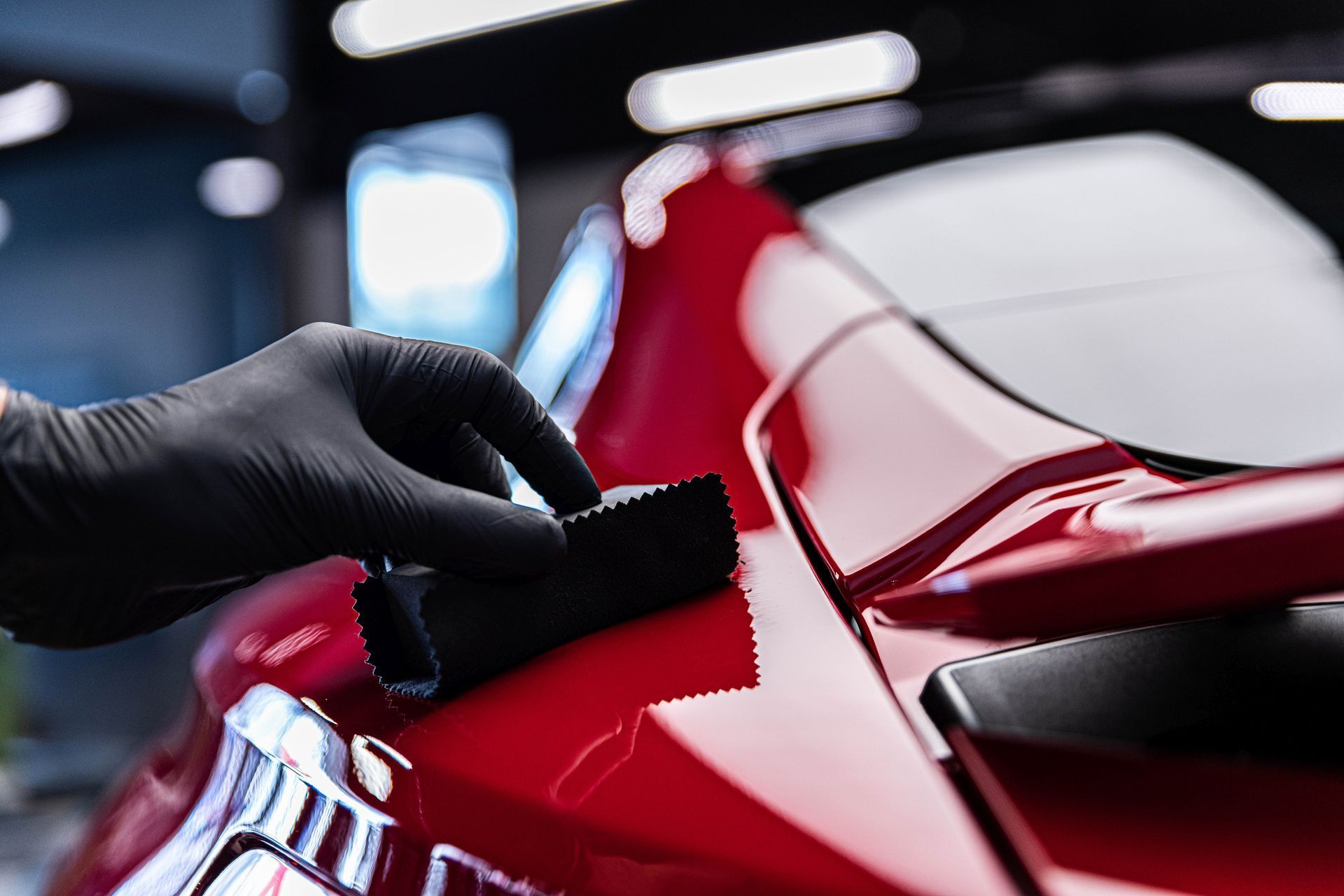
You don't have to choose one or the other. Many owners put a ceramic coating over the film, which gives the PPF a slick surface that sheds dirt and water and is easier to keep clean.
Protect Your Paint With TNT Tinting & Autostyling
If you want years of protection from I-70 gravel and Maryland winters, we can help. We install paint protection film at our shop at 19935 National Pike in Hagerstown, with options from Partial Front and Full Front to Track Pack and Full Vehicle coverage. Our certified installers will look at your car, talk through how you drive, and recommend coverage that fits.
Call us at (301) 991-0650 or request a quote, and let's keep your paint looking new.
FAQ
Does PPF turn yellow over time?
Quality PPF is built to resist yellowing, but all film ages. Budget films can start yellowing in a few years, often because the adhesive breaks down. Premium films with UV inhibitors stay clear much longer. Washing gently, parking out of the sun, and quickly removing contaminants all help slow it down.
Can PPF last 10 years?
Yes, premium film can last about 10 years with a quality install and good care. Getting there depends on the film grade, the paint underneath, your driving conditions, and your washing habits. A car that racks up highway miles and sits outside year-round will usually land lower in the 5 to 10 year range.
Does a car wash damage paint protection film?
Brush car washes can scuff the film and wear the top coat faster, so we don't recommend them. Touchless washes and hand washing with a pH-neutral soap are safe. If you use a pressure washer, keep the nozzle away from the film's edges so water doesn't get underneath.
Can old PPF be removed and replaced?
Yes. Worn PPF can be removed and new film installed. Removal takes care, especially with older film that has hardened, because the adhesive and the paint underneath need to be protected. Bring the car in for an inspection first, and we'll let you know what your film and paint need.
Is PPF worth it if I only keep my car a few years?
It can be. PPF protects the paint from rock chips and road damage while you own the car, which helps keep it looking good at trade-in or sale time. Even partial front coverage protects the areas that take the most hits. The right choice depends on how and where you drive.